You have probably heard the statistic before. PHP powers nearly three quarters of all websites on the internet. That includes platforms like WordPress, Laravel, Symfony, Drupal, and countless custom applications running global enterprises. For years, the security of PHP itself has been managed by a small group of dedicated volunteers. They have done heroic work. But the ecosystem around PHP has grown massive and complex. Attackers are no longer just targeting the core language. They are going after packages, dependencies, outdated extensions, and supply chain weak points.
That changes today.
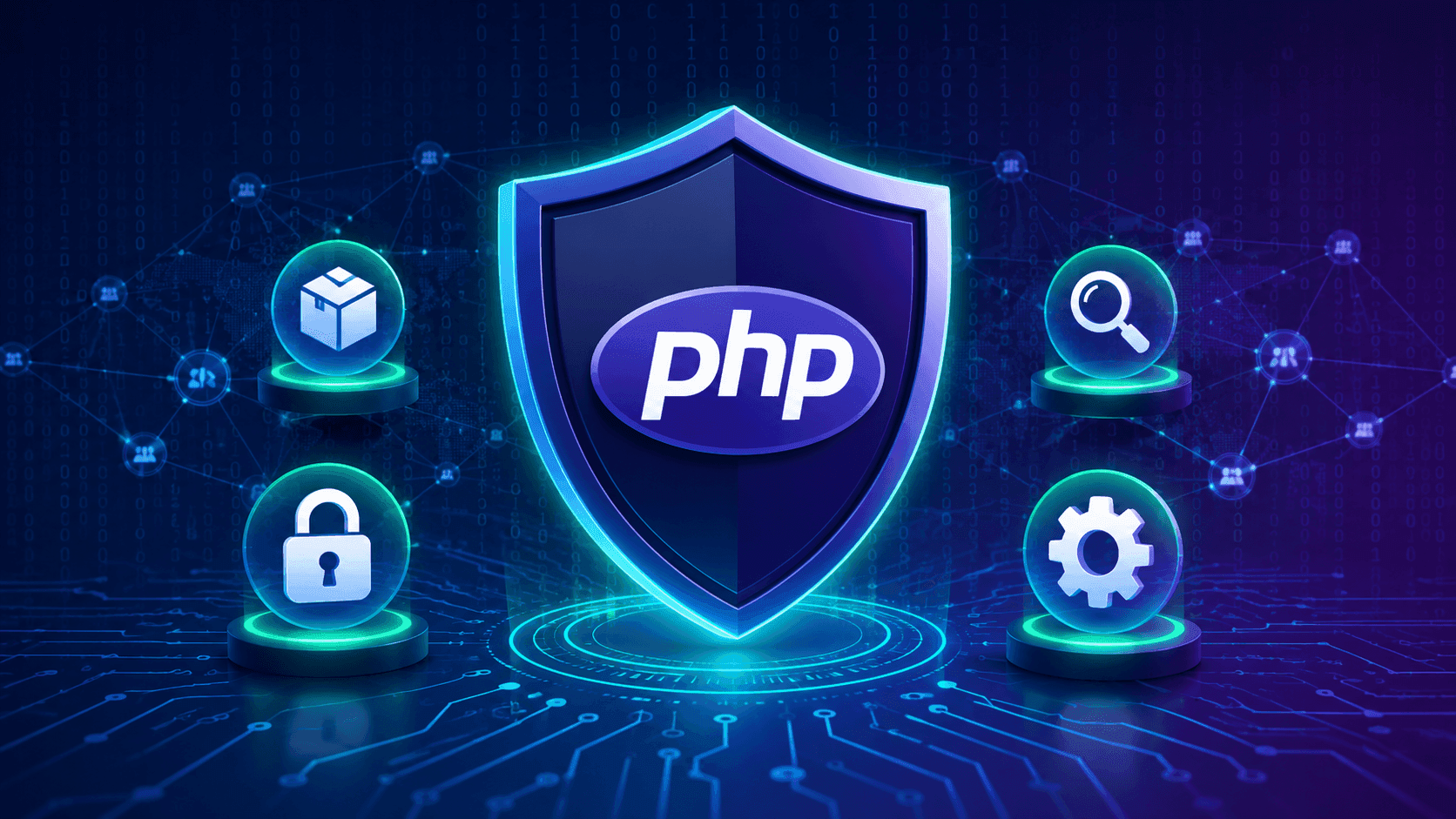
The PHP Foundation has just announced a major new initiative. An Ecosystem Security Team is being formed. This is not a small update. This is a structural shift in how the PHP community handles security. And if you run any PHP application, you need to pay attention.
What Is the PHP Ecosystem Security Team?
The new team is a dedicated group of security professionals and core PHP maintainers. Their job is not just to patch core PHP vulnerabilities. They will focus on the entire PHP ecosystem. That includes Packagist, the main repository for PHP packages. It includes Composer dependencies. It includes popular frameworks and libraries that millions of developers rely on every day.
The team will perform proactive security audits. They will coordinate vulnerability disclosures. They will work with maintainers of widely used packages to fix issues before attackers find them. They will also create security advisories and best practice guides for the entire PHP community.
This is the first time the PHP Foundation has funded a team specifically for ecosystem wide security. It signals a mature approach. The language is no longer just a hobbyist tool. It is critical infrastructure.
Why Now? The Growing Threat Landscape
You might wonder why this was not done years ago. The answer is simple. The threat landscape has changed dramatically.
In the past, most attacks targeted the PHP core itself. Those vulnerabilities were rare and quickly patched. Today, attackers have shifted their focus to the supply chain. They insert malicious code into popular packages. They exploit outdated dependencies. They target Composer repositories. They use automated scanners to find weak spots in thousands of applications at once.
We have seen high profile incidents. Malicious packages were uploaded to Packagist with names similar to legitimate libraries. Unsuspecting developers installed them. Entire servers were compromised. The PHP community responded by improving tooling, but a coordinated security team was missing.
The Ecosystem Security Team fills that gap.
What This Means for PHP Developers
If you write PHP code, here is what you can expect.
First, faster response times for reported vulnerabilities. The team will triage and coordinate fixes across the ecosystem, not just in the core. Second, regular security audits of the most popular Composer packages. Third, clearer security advisories so you know exactly which versions are safe. Fourth, better tooling to check your own projects for vulnerable dependencies.
You do not need to change your workflow today. But over the coming months, you will see more security notifications. You will see automated pull requests for dependency updates. You will see a more robust and trustworthy PHP ecosystem.
For businesses running PHP applications, this reduces risk. It also signals that PHP is a serious choice for long term enterprise projects.
The Bigger Picture: Open Source Sustainability
This move by the PHP Foundation is part of a larger trend. Open source projects are finally receiving funding for security. Log4j was a wake up call for the entire industry. Heartbleed exposed the fragility of critical open source components. Now, foundations like the PHP Foundation, the Open Source Security Foundation (OpenSSF), and others are investing real money into proactive defense.
The PHP Foundation is funded by companies like JetBrains, Automattic, Zend, Laravel, and many others. They also accept individual donations. The Ecosystem Security Team is a direct result of that funding. It shows that the PHP community is not waiting for disasters to happen. They are building protection in advance.
What Comes Next
The team is currently hiring and onboarding. The first security audits will focus on the most widely used Composer packages. These include frameworks like Laravel and Symfony, as well as popular tools like PHPUnit, Monolog, and Guzzle. The team will also work on improving the security of Packagist itself.
In the coming months, expect public announcements about vulnerabilities that were fixed behind the scenes. Expect new security tooling. Expect better integration with GitHub security advisories and Dependabot.
For now, the best thing you can do is keep your dependencies updated. Use Composer's audit command. Subscribe to PHP Foundation security announcements. And if your company uses PHP heavily, consider donating to the foundation.
A New Chapter for PHP
PHP has been called a dying language for years. That claim has never been true. In fact, PHP continues to power the vast majority of the web. But the language has matured. The release of PHP 8 brought modern features and performance improvements. The creation of the PHP Foundation brought sustainable funding. And now, the Ecosystem Security Team brings proactive defense.
This is not just a big move for PHP security. It is a big move for the entire open source ecosystem. Other languages and frameworks will watch and learn from this initiative.
If you build on PHP, you can sleep a little better tonight. The ecosystem is finally getting the security team it deserves.