
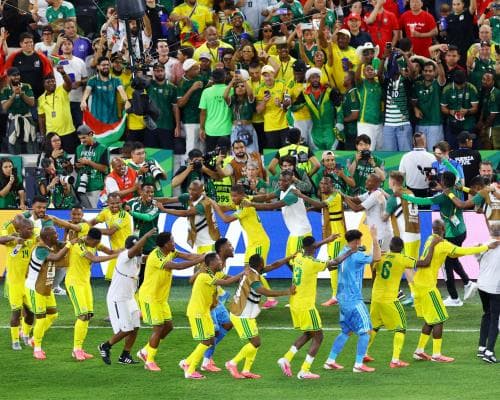
When the final whistle blew in Los Angeles and South Africa secured a place in the knockout phase, the stadium erupted with a roar that had been silent for more than a decade. The nation that had last tasted World Cup glory on home soil in 2010 was suddenly back in the global spotlight, and the credit belonged largely to a man who arrived from a continent far away with a single, unshakable belief: South Africa could be more than a footnote in African football.
1. The Man Behind the Miracle
From Belgium to Pretoria
Hugo Broos stepped onto South African soil with a résumé that included European club triumphs and a reputation for demanding discipline. At 74, most coaches would have been content to retire, yet Broos saw a challenge that matched his ambition. In a recent radio interview he asked himself a simple question: Why is South Africa not a dominating country in Africa? The answer, he believed, lay in a plan that would be executed without compromise.
A Plan That Stuck
From day one Broos drafted a blueprint that ignored the usual hierarchy of club prestige. He refused to fill his squad with the usual suspects from the country’s biggest teams. Instead he reached out to players from Cape Town City, Baroka and other clubs that rarely enjoyed the limelight. The decision sparked outrage among fans and pundits alike, but Broos remained steadfast. He argued that talent alone was no longer enough; modern football demanded power, physique and relentless hunger.
2. The Qualification Drama
A Near Miss That Turned Into a Lesson
South Africa’s path to Qatar was anything but smooth. Midfielder Teboho Mokoena, who later earned man of the match against Czechia, inadvertently jeopardised the nation’s hopes. He was fielded in a qualifier against Lesotho while serving a suspension for two yellow cards. FIFA responded by docking three points, leaving Bafana Bafana perched precariously above Nigeria and Benin. A single point separated them from the playoff line.
Who Should Have Been Held Accountable?
Vincent Tseka, the team’s administrative manager, was tasked with monitoring player bookings. An internal investigation cleared him of wrongdoing, citing a momentary lapse when he left the bench to fetch ice for the squad. Critics argued that in any other footballing nation such an oversight would have resulted in immediate dismissal. The episode highlighted the fragile infrastructure that still surrounds South African football.
The Weight of the Mistake
Mokoena confessed that the incident haunted him for months. It affected his performances for Mamelodi Sundowns and left him unable to discuss the matter openly. Only his family and close friends understood the pressure he carried. The episode, however, forged a resolve within the squad that would later prove essential in the World Cup.
3. Building a Team From the Ground Up
Rejecting the Traditional Powerhouses
Broos’s willingness to look beyond the traditional giants of Orlando Pirates, Kaizer Chiefs and Mamelodi Sundowns was a gamble. He believed that a blend of youthful vigor and overlooked experience could create a cohesive unit. “You need players who are hungry, who are motivated,” he explained. The coach spent a year perfecting a player profile for every position, seeking a balance of technical skill and physical presence.
The Evolution of South African Players
Two decades ago a technically gifted South African could dominate the continent. Today the game demands a combination of speed, strength and tactical intelligence. Broos emphasized that the modern player must be a complete athlete, not merely a technician. This philosophy guided his selections and training methods throughout the qualification campaign.
4. The World Cup Stage
A Rocky Start in Qatar
South Africa’s opening match against Mexico at the iconic Azteca stadium ended in a 2‑0 defeat. Critics were quick to point fingers at Broos’s tactics, questioning his squad choices and formation. The subsequent 1‑1 draw with Czechia, secured by Mokoena’s 83rd‑minute penalty, did little to silence the doubters.
The Turning Point Against South Korea
The 1‑0 victory over South Korea was the moment Broos chose to address his critics directly. “I am very proud of my team,” he said, “and I think we gave a strong answer to all those voices that wanted us to change everything.” The win propelled Bafana Bafana into the last 16, a feat no South African side had achieved since the 1998 tournament.
The Confidence of the Players
Defensive midfielder Aubrey Modiba, while optimistic, warned against complacency. “You cannot take any team for granted,” he said, recalling the upsets that had defined the competition. The caution proved wise as the tournament progressed, with underdogs like Cape Verde demonstrating that tactical discipline and energy could topple traditional powerhouses.
5. The Legacy of a Coach Who Planned to Leave
A Career Finale That Almost Did Not Happen
Broos entered Qatar knowing it would be his final assignment as a head coach. The South African Football Association’s earlier administrative blunder nearly cost the nation its place, threatening to turn his farewell into a footnote. Instead, his meticulous planning and belief in a broader talent pool delivered a historic performance that will be remembered for generations.
What South Africa Gains From This Experience
A renewed belief that the nation can compete on the world stage without relying on European‑based stars.
A blueprint for future coaches to scout talent beyond the traditional clubs.
An example of how administrative diligence can protect, rather than hinder, a team’s ambitions.
6. Lessons for Emerging Football Nations
Vision Over Tradition – Success often requires breaking away from entrenched hierarchies.
Holistic Player Development – Technique must be paired with physical conditioning and mental toughness.
Administrative Precision – Accurate tracking of player eligibility can be the difference between qualification and elimination.
Patience With a Plan – Immediate results are rare; a clear roadmap and steadfast execution yield long‑term rewards.
Embrace the Underdog Spirit – Teams that play with hunger and unity can upset even the most favoured opponents.
7. Looking Ahead
South Africa now stands at a crossroads. The momentum generated by the World Cup run offers an opportunity to restructure youth academies, improve governance and invest in sports science. If the nation can translate the lessons learned under Broos into lasting reforms, the next generation may not need a foreign coach to guide them to the pinnacle of world football.