
Is Remote Work Making You Anxious? Signs to Watch For and What to Do Next
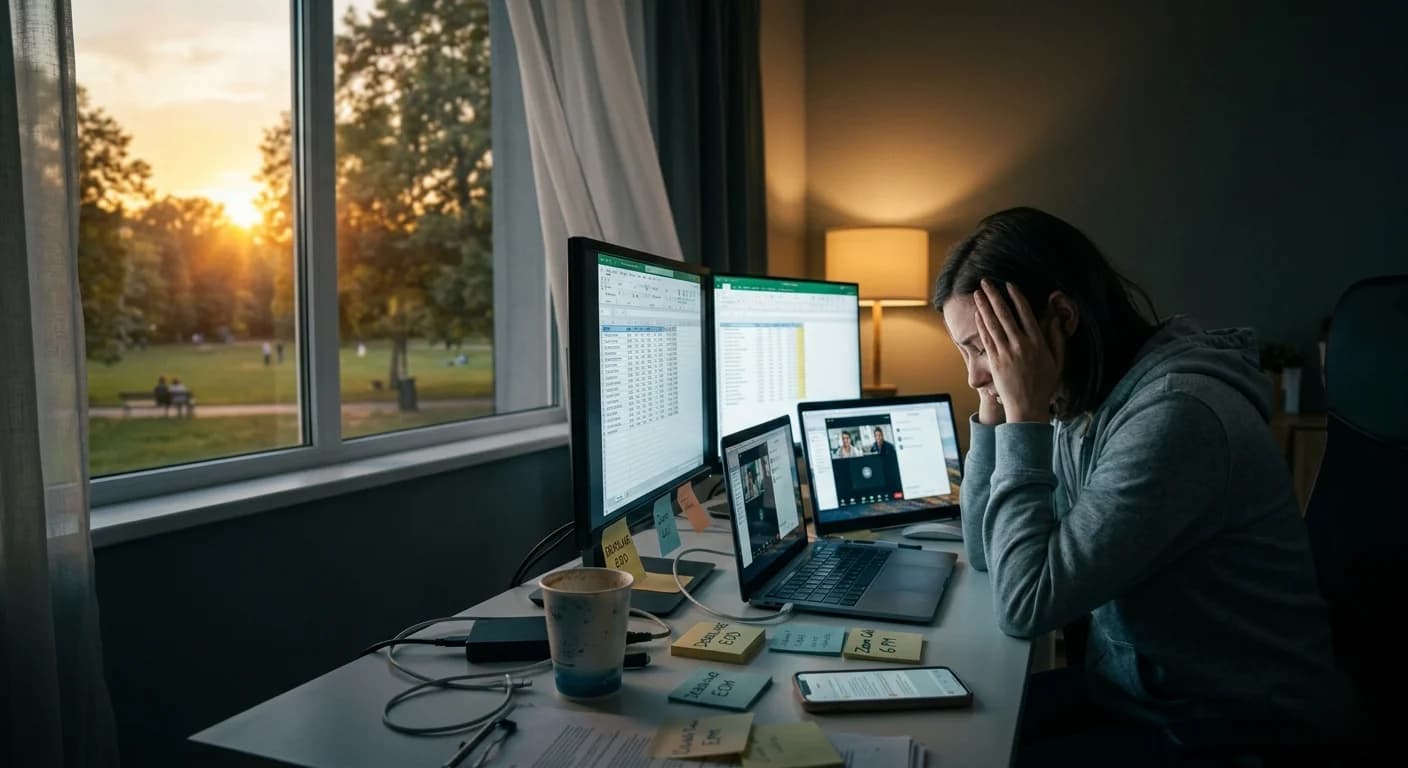
You roll out of bed, take three steps to your desk, and the workday begins before your mind has even caught up. If that sounds familiar and fills you with a subtle dread, you are not alone. Remote work promised freedom, flexibility, and the end of stressful commutes. For many, it delivered a different reality: a constant hum of anxiety, an inbox that never sleeps, and a home that feels less like a sanctuary and more like a pressure cooker. Recognizing the silent toll of remote work is the first step toward reclaiming your peace. This post will walk you through the unmistakable warning signs and, more importantly, what you can do next to feel like yourself again.
SIGNS TO WATCH FOR
1. You Feel Drained Even After a Full Night’s Sleep
Physical rest no longer restores you. You wake up heavy, mentally foggy, and already behind. The culprit is often the absence of a clear mental separation between work and recovery. Your brain stays in a low grade alert mode all night because the office is just a few feet away, whispering that you could be doing more.
2. Sunday Afternoon Brings a Sinking Feeling
The so called Sunday Scaries have morphed into a daily occurrence. That knot in your stomach appears not just before the workweek starts but every evening when you realize the next day will look exactly the same. The monotony and isolation can blur time, making it feel like a long, unbroken stretch of obligation.
3. You Jump Every Time a Notification Pings
Your nervous system has become wired to instant message alerts and email dings. Even when you are technically offline, your shoulders live somewhere near your ears. This hypervigilance is a classic hallmark of anxiety. Your body cannot tell the difference between a chat message and a genuine threat.
4. Focusing on One Task Feels Impossible
You sit down to work and suddenly find yourself reorganizing files, scrolling through social media, or staring at a blank document. This scattered state is not laziness. It is an anxious brain trying to escape discomfort. Procrastination becomes a coping mechanism, which then creates more anxiety about falling behind.
5. Irritability Becomes Your Default Setting
Small things, like a partner asking a question or a minor technical glitch, make you snap. Remote work anxiety often drains your patience reservoir, leaving you with a short fuse for the people and pets who share your space.
6. Your Body Keeps a Stress Score
Anxiety rarely stays in the mind. It shows up as tension headaches, a stiff neck, shallow breathing, or digestive issues. If you have unexplained physical symptoms that ease up during vacations or weekends, your remote work setup and its emotional weight may be the silent trigger.
WHAT TO DO NEXT
Design a Commute That Exists Only in Your Mind
The commute served a hidden purpose: it acted as a buffer between identities. You need to rebuild that ritual. Before you start work, step outside your front door and walk around the block. When you re enter your home, you are officially at work. At the end of the day, repeat the walk, and let it signal to your brain that the professional version of you is off the clock. No distance is too short for this mental transition.
Create a Friction Free Digital Boundary
Anxiety thrives on availability. Switch off all non essential notifications on your phone and computer. Use a separate device or a different browser profile for work, and shut it down completely at a fixed time. When the laptop closes, it stays closed. The world will not collapse if you reply tomorrow morning, and you will slowly teach your nervous system that it is safe to rest.
Schedule the Human Connection First
Remote work anxiety is often loneliness disguised as productivity stress. Make social contact a non negotiable calendar item, not an afterthought. This could be a quick coffee with a friend, a co working session with a colleague, or a video call where you do not discuss deadlines. Rebuilding a sense of belonging outside your to do list combats the isolation that fuels anxiety.
Move Your Body to Shift Your Mind
Anxiety can feel like a stuck energy loop. Gentle, repetitive movement helps your body complete the stress cycle. A few minutes of stretching, dancing to one song in your kitchen, or walking while taking a call can reset your physiology faster than trying to think your way out of worry.
Redesign Your Space for Visual Closure
If your work setup invades your living space, your mind never rests. Use a room divider, a curtain, or even a simple cloth to cover your desk at the end of the day. Put your laptop and notebooks inside a cupboard. The physical act of hiding work from view tells your brain that the labor is done, which reduces the ambient tension of always being on.
Talk to Someone Who Can Hold Space
Sometimes the most practical step is sharing the load with a therapist or a trusted support group. There is no shame in needing professional guidance to untangle the anxious thoughts that remote work has amplified. Many people discover that simply voicing their fears in a safe environment lightens the invisible weight they have been carrying.
CONCLUSION
Remote work does not have to mean remote peace of mind. The anxiety you feel is not a character flaw or a sign that you are failing at modern work. It is a signal, a call to adjust how you structure your day, your environment, and your self care. Pay attention to the signs, experiment with the shifts that feel doable, and give yourself permission to prioritize your mental health over an always on culture. Your home can once again become a place of comfort, and your work a source of purpose rather than dread.