
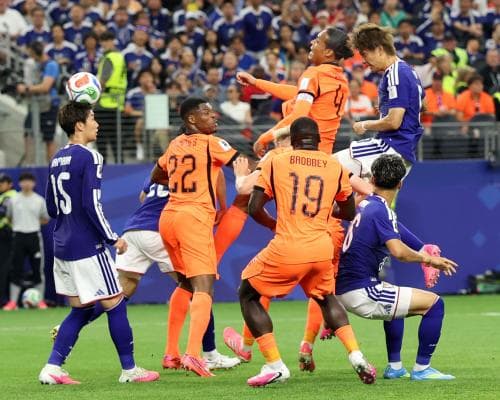
A Pulse‑Racing Opening That Refused to Let Up
The heat of a Texas afternoon turned the stadium outside Dallas into a pressure cooker. When the Netherlands and Japan stepped onto the pitch, the expectation was a routine win for the Dutch side, a team that seemed to have the early advantage in one of the toughest groups. What unfolded instead was a roller‑coaster of goals, tactical twists and a dramatic finish that left fans on both sides gasping for breath. Daichi Kamada’s 88th‑minute equaliser forced the match to end 2‑2, turning a seemingly predictable encounter into one of the most talked‑about openings of the tournament.
1. Setting the Scene
Date & Time: 11.24 pm BST
Venue: Arlington, Texas – a flat plain that turned into a cauldron of noise.
Attendance: The stadium was packed, disproving any rumours of empty seats.
From the first whistle, the atmosphere crackled with anticipation. The Dutch supporters, draped in orange, sang in unison while the Japanese fans waved blue banners, their chants echoing across the field. Both teams knew that three points would be priceless, but the early minutes hinted at a cautious approach, each side feeling each other out before the real fireworks began.
2. First Half – A Tactical Chess Match
The opening half was a study in patience. The Netherlands deployed a 4‑3‑3 formation, with Virgil van Dijk anchoring the defence and Crysencio Summerville taking the right wing. Japan lined up in a 3‑4‑2‑1 shape, relying on the speed of wing‑back Keito Nakamura and the creativity of Takefusa Kubo.
Key Moments
Early Possession Battles – Both sides exchanged short passes, trying to find gaps. The Dutch midfield, led by Ryan Gravenberch, pressed high, while Japan’s midfielders kept the ball moving laterally.
First Real Chance – At the 23‑minute mark, Japan’s Daizen Maeda cut inside on the left, delivering a low cross that was cleared by the Dutch defence.
Defensive Discipline – The Dutch back line, especially Denzel Dumfries, stayed compact, limiting Japan’s ability to penetrate the final third.
The half ended goalless, but the tension was palpable. Commentators noted that while the Dutch appeared to dominate possession, Japan’s organized pressing made it difficult for the Oranje to create clear‑cut chances.
3. Second Half – The Goal Fest Begins
When the teams returned after the break, the tempo surged. The Netherlands, sensing an opening, pushed forward aggressively, while Japan responded with swift counter‑attacks.
51st Minute – Van Dijk’s Header Gives the Netherlands the Lead
A corner from the right found the towering van Dijk, who rose above the Japanese defence and powered a header into the net. The goal sparked a roar from the Dutch fans and forced Japan to chase the game.
57th Minute – Nakamura’s Deflected Strike Levels the Score
Japan’s wing‑back Nakamura surged forward, receiving the ball near the edge of the box. He unleashed a low right‑footed shot that brushed the outstretched leg of Dutch defender Van Hecke and slipped past goalkeeper Bart Verbruggen. The equaliser ignited the Japanese bench, which spilled onto the pitch in celebration.
64th Minute – Summerville’s First World Cup Goal
Crysencio Summerville, making his debut in a major tournament, cut inside from the right and fired a precise curling shot that beat the Japanese keeper. The goal gave the Netherlands a 2‑1 advantage and seemed to tilt the balance back in their favour.
86th Minute – Japan’s Persistence Pays Off Again
A dangerous cross from Nakamura found the near post, where substitute Daichi Kamada met it with a glancing header. The ball ricocheted off the post and into the net, forcing the match into extra time. The Japanese side, having come from behind twice, showed a fighting spirit that left the crowd buzzing.
4. Tactical Shifts and Substitutions
Both managers made decisive changes that shaped the final minutes.
Ronald Koeman (Netherlands) switched to a back five after Japan’s second equaliser, hoping to shore up the defence and preserve the point.
Hajime Moriyasu (Japan) introduced fresh legs, bringing on Kento Shiogai for striker Ayase Ueda and adding Takehiro Tomiyasu, Koki Ogawa and Yukinari Sugawara to maintain pressure.
These adjustments highlighted the coaches’ willingness to adapt on the fly, a hallmark of modern World Cup football.
5. The Final Whistle – A Point for Both Teams
The match concluded with a 2‑2 draw after six minutes of added time. The Dutch side finished with 12 shots, five on target, while Japan recorded 10 shots, four on target. Both teams displayed moments of brilliance, but also moments of missed opportunity that could have swung the result one way or the other.
Post‑Match Reactions
Kári Tulinius, a Dutch pundit, called the encounter “the best match of the World Cup so far,” admitting he struggled to stay awake during the first half but was thrilled by the second‑half drama.
James Humphries, a fan watching from home, confessed the game “perked me right up” and joked that he could finally remember what day tomorrow was.
The consensus among analysts was clear: the game delivered everything a football fan could ask for – tension, skill, and a dramatic finish.
6. What This Result Means for Group F
Group F now consists of the Netherlands, Japan, Sweden and Tunisia. With each team having one point, the next round of matches will be decisive.
Netherlands vs Sweden – A clash of European styles that could see the Dutch aim to regain momentum.
Tunisia vs Japan – An opportunity for the Asian side to solidify their position and possibly finish the group on top.
The points table is still wide open, and the performances in this opening game suggest that any of the four teams could emerge as the group winner.
7. Key Players to Watch
Player | Team | Position | Why They Matter |
|---|---|---|---|
Virgil van Dijk | Netherlands | Defender | His aerial threat produced the opening goal |
Keito Nakamura | Japan | Wing‑back | Scored the first equaliser with a deflected strike |
Crysencio Summerville | Netherlands | Winger | Scored on his World Cup debut |
Daichi Kamada | Japan | Midfielder | Heroic late header secured the draw |
Ryan Gravenberch | Netherlands | Midfielder | Created both Dutch goals with incisive passes |
Takefusa Kubo | Japan | Attacking Midfielder | Orchestrated Japan’s forward play |
These individuals will likely influence the outcomes of the upcoming fixtures, and keeping an eye on their performances could provide early indicators of which teams will advance.
8. The Bigger Picture – Why This Match Matters
Beyond the points, the game offered a glimpse into the evolving nature of the tournament:
Unpredictability – The early expectation of a Dutch victory was shattered, reinforcing the idea that no result is guaranteed.
Technical Quality – Both sides displayed high‑level ball control, quick passing and intelligent movement, raising the overall standard of play.
Fan Engagement – The stadium’s full capacity and the lively online commentary showed that interest in the World Cup remains robust, despite earlier concerns about attendance.
In short, the Netherlands‑Japan draw encapsulated the excitement, drama and global appeal that make the World Cup a once‑in‑a‑lifetime spectacle.
9. Final Thoughts
If you were looking for a match that combined tactical nuance, individual brilliance and a nail‑biting finish, the 2‑2 stalemate between the Netherlands and Japan delivered on all fronts. The game reminded us that football is as much about resilience as it is about skill. Japan’s ability to claw back twice demonstrated a mental toughness that will serve them well in the weeks ahead, while the Netherlands will need to tighten up defensively if they hope to convert their attacking flair into victories.
As the tournament progresses, keep an eye on Group F. The points are evenly spread, and every goal will be crucial. Whether you are a fan of the Dutch orange or the Japanese blue, this match has given you plenty to discuss, debate and celebrate.