A Moment That Grabs the World’s Attention
The stadium lights blaze, the crowd roars, and a single whistle signals the start of a story that will be told for years. In the first hours of the 2026 World Cup, drama unfolded far beyond the ninety‑minute battles on the pitch. Teams found themselves tangled in politics, players faced sudden travel bans, and a handful of unlikely figures rose to fame with a single, unforgettable save. This article pulls together the most compelling narratives that have defined the tournament so far, giving you a complete picture of the human side of football’s biggest stage.
1. Iran’s Fight Against “Oppressive” Treatment
A Coach’s Plea to the FIFA President
After a 2‑2 draw with New Zealand in Los Angeles, Iran’s head coach Amir Ghalenoei stepped into the dressing room and demanded immediate assistance from FIFA president Gianni Infantino. The Iranian side claimed they were forced to board a night flight to their training camp in Tijuana, Mexico, leaving no time for the recovery session they had planned for the following morning.
The U.S. Homeland Security Response
A spokesperson for the Department of Homeland Security released a brief statement insisting that the Iranian national team had agreed to the travel terms. The comment did little to calm the anger expressed by the players and officials, who felt they were being singled out for political reasons.
Visa Woes for a Key Player
Compounding the controversy, winger Mehdi Torabi discovered that his single‑entry U.S. visa had expired immediately after the Los Angeles match. The Iranian Football Federation rushed to secure a new visa, but the incident highlighted the fragile nature of travel arrangements for teams that must cross borders repeatedly during the tournament.
The Bigger Picture
Iran’s grievances echo a long history of tension between the nation and Western authorities. While the team’s performance on the field remains commendable, the off‑field obstacles have added an extra layer of pressure that could affect future results.
2. South Korea’s Media Boycott – A Stand for Respect
The Incident That Sparked the Protest
During a training session at the Guadalajara base camp, a group of South Korean journalists were caught on a hot microphone mocking captain Son Heung‑min’s mandatory military service. Son, who earned an exemption after winning gold at the 2018 Asian Games, was visibly upset by the remarks.
Players Refuse to Speak to the Press
In response, the entire South Korean squad walked out of scheduled media duties. The Korea Football Association issued a public apology on behalf of the reporters and called for greater responsibility from the media. Yet the players insisted that the boycott would remain in place until the issue was fully addressed.
Cultural Context
Military service is a deeply sensitive topic in South Korea, where every able‑bodied man must serve roughly 21 months. Exemptions are rare and highly prized, making any perceived disrespect a serious affront. The boycott underscores how cultural values intersect with the global spotlight of the World Cup.
3. Visa Battles Beyond Iran
Ghana’s Legal Challenge Over Thomas Partey
Ghana’s government took the extraordinary step of filing an injunction in a Canadian federal court to overturn the country’s refusal to grant a World Cup visa to midfielder Thomas Partey. The player, currently under trial in Britain for serious criminal charges, is considered a vital component of Ghana’s squad. Ghana’s foreign minister labeled the decision “high‑handed and extremely unfair,” and the nation sent an official protest note to Ottawa.
The United States and Mexico’s Logistical Hurdles
The tournament’s geography forces teams to hop between three nations on a tight schedule. The U.S. task force for the World Cup announced that each team would be required to arrive the day before a match, depart the evening after, and repeat the process for every subsequent game. While the plan aims to streamline security, it has placed additional strain on squads already coping with injuries and fatigue.
4. Unexpected Heroes and Heart‑Wrenching Moments
The Duck in a Mexico Jersey
A viral photograph of a duck waddling across a field while sporting a Mexico World Cup jersey captured the imagination of fans worldwide. The image, shared across social platforms, reminded everyone that the tournament’s joy can be found in the most unlikely places.
Vozinha’s Tears After a Historic Save
Cape Verde’s 40‑year‑old goalkeeper, known simply as Vozinha, was named player of the match after making seven spectacular saves in a goalless draw against Spain. Overcome with emotion, he broke down in tears because his mother could not afford a visa to travel to the United States. His story highlighted the personal sacrifices made by families of athletes competing on the world stage.
New Zealand’s Rising Star – Elijah Just
New Zealand forward Elijah Just found himself joint top of the Golden Boot race after scoring two brilliant goals against Iran. The 26‑year‑old, who recently transferred from a Danish club to Motherwell, has attracted interest from both Rangers and Celtic. His rapid ascent illustrates how the World Cup can catapult relatively unknown players into the global spotlight.
5. Tactical Shifts and Squad Dilemmas
England’s Full‑Back Conundrum
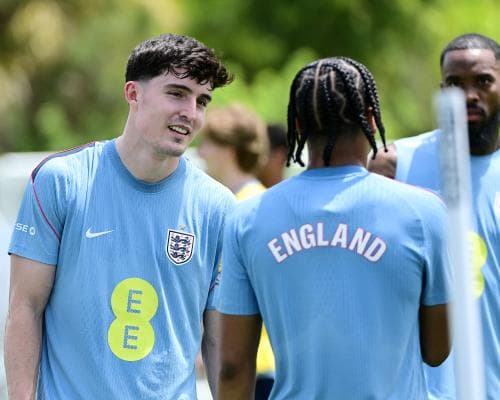
England entered the tournament with a full‑back dilemma after Tino Livramento suffered a muscular injury in training. Manager Thomas Tuchel initially considered the versatile Livramento as a key option on both flanks. With his availability in doubt, Chelsea defender Trevoh Chalobah received a call‑up as a replacement. The decision sparked debate among pundits, many of whom argued that a specialist left‑back would have been a safer choice.
Portugal’s Quest for Their First Title
Portugal opened their campaign against the Democratic Republic of Congo, hoping to finally capture the elusive World Cup trophy. Analysts point to the creative partnership of Vitinha and Bruno Fernandes as the engine that could drive the team forward. While the nation has never lifted the trophy, the blend of experience and youthful energy suggests a realistic chance of success.
France vs Senegal – A Rematch of History
The evening fixture between France and Senegal revived memories of the 2002 World Cup upset, when Senegal shocked the defending champions. This time, France fields a stacked lineup, yet the Senegalese side boasts a potent attack featuring Ismaïla Sarr, Nicolas Jackson, Iliman Ndiaye, and the legendary Sadio Mané. The clash promises to be a tactical chess match that could set the tone for the rest of the group stage.
6. The Role of FIFA and Its President
Gianni Infantino’s Marathon Schedule
FIFA president Gianni Infantino announced plans to attend two matches per day whenever possible, despite the vast distances between venues in the United States, Canada, and Mexico. Leveraging a private jet provided by a major airline sponsor, Infantino aims to maintain a visible presence throughout the tournament, reinforcing FIFA’s commitment to global engagement.
Disciplinary Committee Clears a Video Assistant Referee
The tournament’s disciplinary committee exonerated video assistant referee Shaun Evans after accusations that a hand gesture he made was linked to extremist symbolism. An investigation found no breach of FIFA’s ethics code, and Evans issued a statement saying the gesture was an unconscious twitch. The incident underscores the heightened scrutiny officials face in a hyper‑connected world.
7. Fan Experiences Across the Globe
Moroccan Supporters Paying Premium Prices
Kamal Ait El Hadj, a 47‑year‑old villa builder from Marrakech, traveled to New York‑New Jersey Stadium to watch his nation face Brazil. He spent roughly five thousand dollars on travel and accommodation, even after receiving a complimentary ticket. His dedication reflects the deep passion of Moroccan fans, who have become one of the most vocal supporter groups at the tournament.
New Zealand Fans in Wellington
In Wellington, a modest sports bar filled with fans eager to watch the All Whites take on Iran. Despite being the lowest‑ranked team in the competition, New Zealand’s supporters celebrated the chance to see their nation back on the world stage after a long absence. Their enthusiasm illustrates how the World Cup can reignite football culture in smaller footballing nations.
8. Looking Ahead – What to Expect
The first week of the 2026 World Cup has already delivered a blend of on‑field excitement and off‑field controversy. As teams continue to navigate visa complexities, media relations, and unexpected injuries, the tournament will test not only tactical acumen but also diplomatic finesse. Fans can anticipate more surprise performances from emerging talents, further debates over squad selections, and perhaps additional moments that capture the heart of the beautiful game.