
Your savings account reads $8,000. Your laptop is packed. Your one-way ticket to Bangkok is confirmed. Then a very specific panic sets in: is this actually enough money to survive six full months in Southeast Asia while working remotely?
Everyone told you it would be cheap. Your social media feed is full of nomads sipping $2 coconuts by infinity pools and describing it as an average Tuesday. What those same people are not telling you is the coworking membership they quietly pay for each month, the health insurance premium eating $150 out of their budget, the visa extension fees, or the spontaneous Palawan weekend that vaporized $500 in 72 hours.
This is not that kind of blog post.
This is the honest, number by number breakdown of what it genuinely costs to live and work remotely across Southeast Asia for six full months in 2026. No affiliate sponsorships. No cherry-picked budgets. Just real numbers sourced from real nomads who have done it recently, updated for 2026 inflation and regional price shifts.
Buckle in.
Why Southeast Asia Still Dominates the Nomad World in 2026
Southeast Asia remains the number one destination for digital nomads globally, and the reasons are not hard to see. Fast and widely available internet, an extraordinarily rich food culture, warm weather year round, stunning natural environments, and a cost of living that still undercuts Europe and North America by a significant margin.
But here is the truth nobody writes in their 2026 travel budget guides: prices are meaningfully higher than they were five years ago. Bali in 2026 is not Bali in 2019. Chiang Mai in 2026 is not Chiang Mai in 2018. Post-pandemic tourism recovery, global inflation, and the sheer explosion of the remote work industry have pushed prices upward in virtually every major nomad hub across the region.
You can still live wonderfully, affordably, and with genuine quality of life. But you need current numbers to plan properly.
Countries covered in this guide:
Thailand (Bangkok and Chiang Mai)
Indonesia (Bali, specifically Canggu and Ubud)
Vietnam (Ho Chi Minh City and Hanoi)
Philippines (Cebu and Metro Manila)
Malaysia (Kuala Lumpur)
The Monthly Budget Breakdown by Category
1. Accommodation
Accommodation is your largest and most variable expense. The numbers below reflect monthly extended-stay rates, not nightly rates. Booking directly with landlords for a full month consistently delivers better pricing than short-term booking platforms.
Thailand (Bangkok or Chiang Mai) $400 to $700 per month for a private air-conditioned studio apartment with reliable Wi-Fi included.
Bali, Indonesia (Canggu or Ubud) $500 to $900 per month for a private villa or modern apartment, often with pool access included. This is the one country where you genuinely get more for your money at the higher end of the budget.
Vietnam (Ho Chi Minh City or Hanoi) $300 to $550 per month for a clean, modern studio apartment in a central location. Vietnam continues to offer the best value for accommodation across the entire region.
Philippines (Cebu) $350 to $650 per month for a furnished apartment with decent internet. Connectivity is the most important factor to research before booking, as internet quality varies significantly between buildings.
Malaysia (Kuala Lumpur) $450 to $750 per month for a serviced apartment or modern studio in the city center.
Pro tip: In every one of these countries, arriving with a one week short-stay booking and then negotiating your extended rate in person will save you 15 to 30 percent compared to booking a full month in advance online.
2. Food and Dining
Street food is genuinely one of the great pleasures of living in Southeast Asia and it is extraordinarily affordable. A complete and satisfying meal from a street vendor, hawker stall, or local market costs between $1.50 and $3 in most of these destinations.
That said, let us be realistic: you will not eat street food for every meal across six months. You will want a coffee shop lunch occasionally. You will want a proper sit-down dinner with friends. You will want the occasional Western meal when homesickness kicks in around month three.
Monthly food budgets by eating style:
Eating predominantly local food and street food: $150 to $250 per month
A genuine mix of local and Western dining, including occasional brunches and restaurants: $300 to $500 per month
Eating out frequently at nicer spots, including weekend dining experiences: $500 to $800 per month
Note that cooking at home is rarely cost-effective for nomads in Southeast Asia. Eating out at local prices is often cheaper than buying groceries at a Western-style supermarket, and most nomad apartments have minimal kitchen setups anyway.
3. Coworking Spaces
A dependable internet connection is not a luxury when your income depends on it. While apartments and cafes often provide free Wi-Fi, serious remote workers budget for dedicated coworking memberships, particularly for video calls, client meetings, and high-upload tasks.
Average monthly coworking membership costs:
Thailand: $80 to $180 per month
Bali: $100 to $220 per month (Bali has a dense and high-quality coworking scene, with some premium spaces running higher)
Vietnam: $60 to $150 per month
Philippines: $70 to $160 per month
Malaysia: $80 to $180 per month
Flexible day passes are available across the region for $8 to $20 each, which works well for nomads who do not need daily coworking access.
4. Transportation
Transportation costs split into two categories: getting around within your city, and getting between countries.
Within city transport (monthly estimate):
Grab rides, motorbike taxis, and local buses: $30 to $80 per month
Renting a scooter in Bali or Chiang Mai (highly recommended for freedom): $60 to $100 per month
Between countries and cities:
Budget airline flights within Southeast Asia: $30 to $120 per flight depending on route and booking timing
Budget bus or train journeys: $5 to $25 per trip
The most cost-effective strategy for a six month trip is deliberate slow travel. Spending six to eight weeks in each location rather than hopping between cities weekly significantly reduces your total flight spend.
5. Health Insurance
This is the line item most first-time nomads remove from their budget and almost universally regret.
Healthcare in Southeast Asia is dramatically more affordable than in Western countries. A standard GP visit typically costs $20 to $50. A basic hospital emergency visit might run $100 to $300. However, a serious accident, surgery, or prolonged illness without insurance can eliminate your entire six-month budget within days.
Digital nomad health insurance costs in 2026:
Basic coverage (outpatient and emergency): $50 to $120 per month
Comprehensive coverage including medical evacuation and dental: $120 to $250 per month
Several providers now offer nomad-specific plans that are activated and cancelled month by month. Do not skip this. It is not optional.
6. Visas and Entry Fees
Visa costs are frequently underestimated in nomad budget planning. Here is the current situation for 2026:
Thailand: The standard tourist visa runs $40 to $60 for a 60-day entry. Thailand also offers a Long-Term Resident (LTR) Visa specifically designed for remote workers, which provides a more stable legal framework for longer stays.
Indonesia (Bali): The B211A Social Cultural Visa costs approximately $35 to $70 and is extendable for stays up to 6 months total. Indonesia also launched a 5-year Digital Nomad Visa that is worth exploring for frequent Bali visitors.
Vietnam: An e-visa costs $25 and grants a 90-day stay, making it one of the most affordable and seamless visa options in the region.
Philippines: Most Western passport holders receive a 30-day visa on arrival at no cost. Extensions cost approximately $50 to $80 for each additional two-month period.
Malaysia: Most Western passport holders receive 90 days visa-free, making Kuala Lumpur one of the most hassle-free bases for nomads managing a longer Southeast Asia trip.
Estimated total visa spend across six months: $100 to $350, depending on your specific route and passport nationality.
7. Entertainment, Social Life, and Miscellaneous Spending
This is the category that consistently surprises first-time nomads the most.
Those weekend island trips to the Gili Islands or El Nido, the scuba diving certification, the yoga retreat in Ubud, the cooking class in Chiang Mai, the rooftop bars and night markets on weekends, the coffee shop sessions that turn into $15 tab moments: they all add up to a meaningful portion of your monthly spending.
Monthly entertainment budgets by lifestyle:
Conservative (selective experiences, mainly free activities): $100 to $200 per month
Realistic social nomad (weekend trips, occasional experiences, social dining): $250 to $500 per month
Active explorer (frequent weekend travel, activities, a full social calendar): $500 and above per month
Additional monthly miscellaneous costs to factor in:
Local SIM card with unlimited data plan: $10 to $20 per month
Gym membership or fitness classes: $20 to $60 per month
Laundry services (most nomads use pay-per-kilo services): $15 to $35 per month
Haircuts and personal grooming: $10 to $30 per month
Unexpected emergency buffer (medical visits, lost items, minor repairs): $50 to $100 per month
The Complete Six-Month Budget by Country
Now let us bring all of the above together into a full six-month picture for each country.
Thailand (Bangkok or Chiang Mai)
Monthly total: $1,200 to $1,900 Six-month total: $7,200 to $11,400
Bali, Indonesia
Monthly total: $1,400 to $2,200 Six-month total: $8,400 to $13,200
Vietnam (Ho Chi Minh City or Hanoi)
Monthly total: $900 to $1,500 Six-month total: $5,400 to $9,000
Philippines (Cebu)
Monthly total: $1,000 to $1,700 Six-month total: $6,000 to $10,200
Malaysia (Kuala Lumpur)
Monthly total: $1,300 to $2,000 Six-month total: $7,800 to $12,000
Mixed Country Route (roughly 2 months each across 3 countries)
Estimated six-month total including intercountry flights: $7,500 to $13,000
The Hidden Costs Nobody Puts in Their Blog Post
Beyond the monthly categories above, several expenses consistently blindside nomads who are not prepared for them.
City setup costs. Your first week in any new city is always your most expensive week. Airport transfers, a few nights in a guesthouse while your apartment becomes available, a local SIM card purchase, basic household supplies, and orientation activities all hit your wallet before you have even settled in. Budget $100 to $250 per new city as an arrival buffer.
Technology failures. Laptops break. Power adapters burn out in unreliable electrical systems. External hard drives get lost. Phones get stolen on busy streets. Maintaining a $200 to $500 tech emergency fund is not paranoia. It is responsible planning for a work-from-anywhere lifestyle.
Flights home. Something will happen during six months that pulls you back to your home country, whether it is a family event, a health situation, or simply the emotional need to be somewhere familiar. Budget for the realistic possibility of at least one unplanned return flight.
Tax obligations. Many nomads discover too late that their home country continues to tax their remote income regardless of where they are physically located. This is not a Southeast Asia expense, but it directly shapes your real net budget. Speak with a tax professional before you depart.
Mental wellness costs. Living from a suitcase is genuinely exciting for the first two or three months. Then loneliness, isolation, and creative burnout become real forces to reckon with. Online therapy sessions, a yoga retreat, a brief period of rest in a comfortable hotel, or simply taking a proper holiday from your holiday all cost money. Budget for your mental wellbeing the same way you budget for your accommodation. It is not an optional line item.
The Honest Total: What You Need Before You Go
If you are planning a six-month digital nomad experience in Southeast Asia in 2026 with no remote income during that period, here is what you realistically need in savings before you board the plane:
Bare minimum (Vietnam or Philippines focused, budget travel throughout): $6,000 to $8,500
Comfortable mid-range (mixed countries, coworking space, health insurance, occasional experiences): $9,000 to $14,000
Comfortable with full cushion (Bali-heavy, active social life, regular experiences, savings buffer remaining): $14,000 to $20,000
If you are earning remote income during your six months, the calculation changes completely. A remote income of $2,000 to $3,000 per month covers your full lifestyle comfortably across most Southeast Asian destinations with money left over to save.
8 Practical Tips to Stretch Your Budget Further
1. Negotiate in person for long-stay accommodation discounts. Book only your first week online, then negotiate directly with the landlord for a monthly rate. You will almost always get a better deal than anything listed on booking platforms.
2. Use local SIM cards religiously. Local data plans are cheap (often $10 to $20 for unlimited monthly data) and far more reliable for remote work than depending on shared cafe or apartment Wi-Fi.
3. Join city-specific nomad communities online before you arrive. Local Facebook groups, Telegram channels, and Discord servers for each destination share real-time information on free coworking spots, reliable apartments, visa updates, and money-saving tips that no blog post can match for currency.
4. Slow travel on purpose. The biggest budget killer for most nomads is excessive movement between cities. Spending six to eight weeks in each location dramatically cuts your flight spend and often unlocks better accommodation rates.
5. Make breakfast at home. Even if you eat every other meal outside, preparing your own breakfast each morning saves a meaningful $50 to $100 per month across six months.
6. Time your Bali stay for the shoulder season. Arriving between October and early March typically means lower villa rates, less crowded coworking spaces, and more negotiating power with landlords.
7. Sort your health insurance before departure. Purchasing coverage after arrival is consistently more expensive and occasionally unavailable depending on your recent medical history.
8. Track every expense from day one. Nomads who use a simple budgeting app from the first week of their trip consistently overspend less than those who intend to start tracking "next week." The data you collect in month one becomes the foundation for smarter spending in months four, five, and six.
Is Southeast Asia Still Worth It in 2026?
Without question, yes.
Despite rising costs, tighter visa regulations in some countries, and the reality that 2016 blog post budgets are dangerously outdated, Southeast Asia remains one of the most compelling regions on the planet for the remote-working lifestyle. The combination of affordable living, warm weather, incredible food, natural beauty, and thriving nomad communities is simply not replicated at this price point anywhere else in the world.
The nomads who struggle financially are not the ones who overspend. They are the ones who arrive underprepared, working from numbers that are years out of date, skipping health insurance, and not accounting for the invisible costs that quietly accumulate across six months.
Go in with clear eyes and current numbers. Budget honestly rather than optimistically. Give yourself a genuine financial cushion so that an unexpected expense is a minor inconvenience rather than a trip-ending emergency.
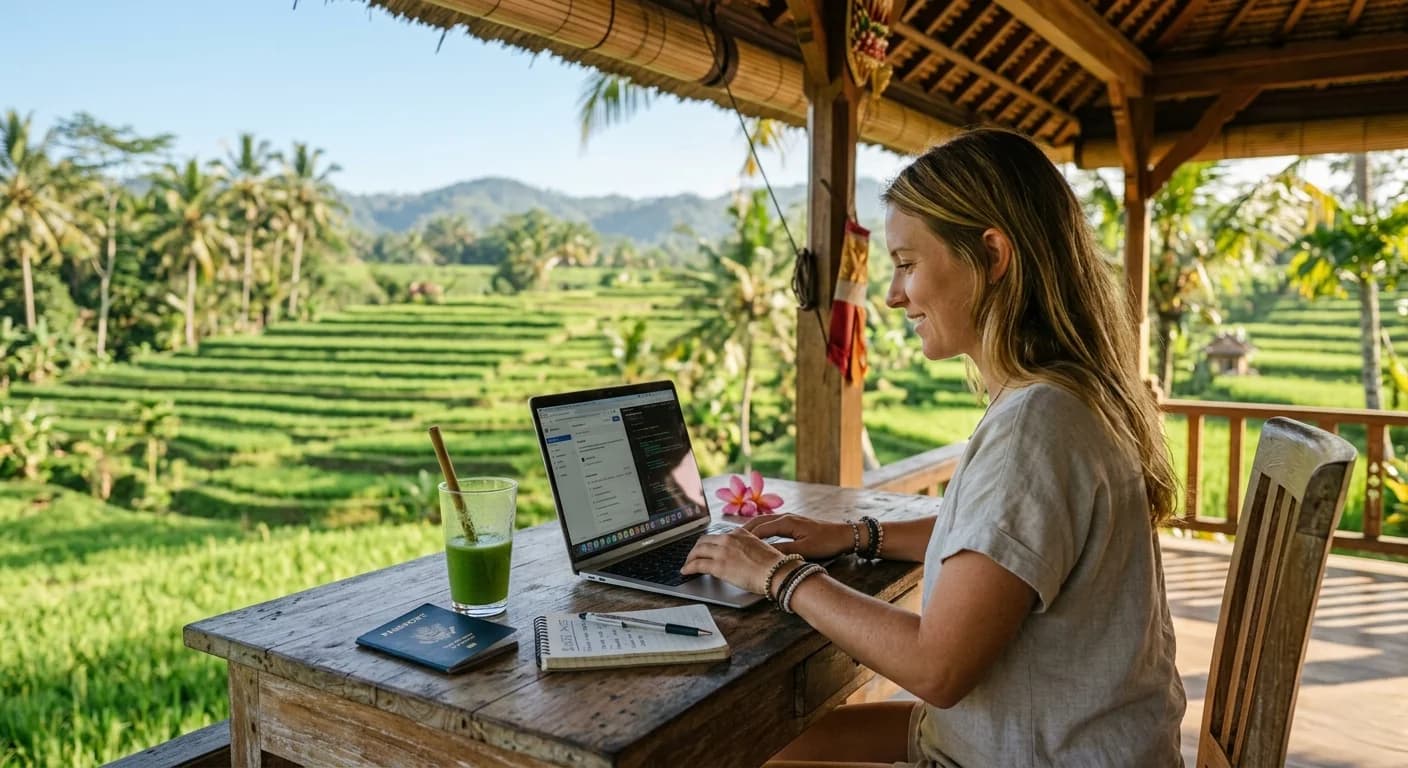
Then pack your bag, open your laptop from somewhere with a view, and get to work.
Southeast Asia in 2026 is still one of the best decisions you can make.