A Shockwave Hits Dublin’s Streets
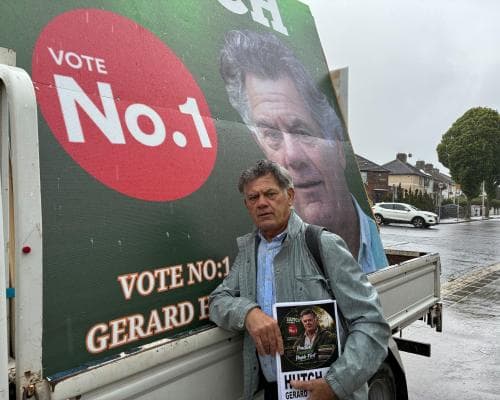
A cafe worker in the heart of the city shouted that the government is “wrecking our country” and hinted she might back Gerry Hutch, a name once whispered in the underworld. The same name now appears on a ballot that could decide the future of Dublin’s north inner city.
Who Is Gerry “the Monk” Hutch?
Former gang figure turned independent candidate
Served time for robbery in his youth
Named by a court as the head of an organised crime group
Almost won a seat in the 2024 general election
Hutch now campaigns on a platform that mixes promises of “leadership” and “honesty” with a hard line on immigration. He has called for the detention of illegal immigrants in camps and singled out East African nationals for internment.
Why Voters Are Listening
Cost of living tops the list of concerns for 33 % of voters
Housing prices rank second with 24 % of respondents
Immigration appears third at 12 %
For many Dubliners, these issues overlap. A butcher in the neighbourhood says he is not racist but wants the country to look after its own first. A 77‑year‑old pensioner believes Hutch can clean up drug dealing. Even a charity shop worker describes a nation “falling to bits” with no jobs and wages that barely cover rent.
The Political Landscape
Sinn Fein leader Mary Lou McDonald avoids commenting on Hutch’s internment call.
Fianna Fáil former taoiseach Bertie Ahern privately warns about African migrants, a remark later condemned by the current taoiseach.
Fine Gael and Social Democrats scramble for transfers from Hutch’s supporters in a race that will be decided by eliminated candidates.
In a parallel byelection in Galway, Fine Gael’s Seán Kyne leads the polls, while an independent candidate denounces Ireland’s “reckless open border policies”. Labour’s Helen Ogbu, born in Nigeria, made history as the first person of colour elected to Galway city council in 2024.
The Human Cost Behind the Headlines
The death of a Congolese man after being restrained by security guards has intensified scrutiny of race relations in Dublin. The incident underscores the tension between a growing immigrant community and a segment of the electorate that feels threatened by change.
What This Means for Ireland’s Future
If Hutch secures a seat, he could push the mainstream parties to adopt harsher immigration rhetoric, reshaping policy on asylum, housing and public spending. The outcome will signal whether Ireland’s political centre can absorb populist pressure or whether fringe voices will continue to rise.
Bottom Line
Dublin’s byelection is more than a local contest; it is a litmus test for how Ireland will balance economic strain, housing scarcity and a diversifying population. Voters are demanding change, and the question is which direction that change will take.