
Introduction to a Cultural Phenomenon
Imagine a festival that has been a cornerstone of cultural heritage for centuries, yet has recently gained international recognition, captivating the attention of global social media, fashion enthusiasts, and tourism stakeholders alike. Welcome to the Ojude Oba festival, a Yoruba cultural celebration held annually in southwestern Nigeria, which has become a melting pot of tradition, enterprise, and community.
A Partnership that Amplifies Cultural Engagement
FCMB Group Plc has joined forces with finance professional and cultural figure Farooq Oreagba to deepen cultural engagement at the Ojude Oba festival. This partnership is a testament to the festival's growing global visibility, as it continues to attract thousands of visitors each year, including regberegbe age groups, horse-riding families, business leaders, and diaspora communities.
A Festival Steeped in Tradition and Enterprise
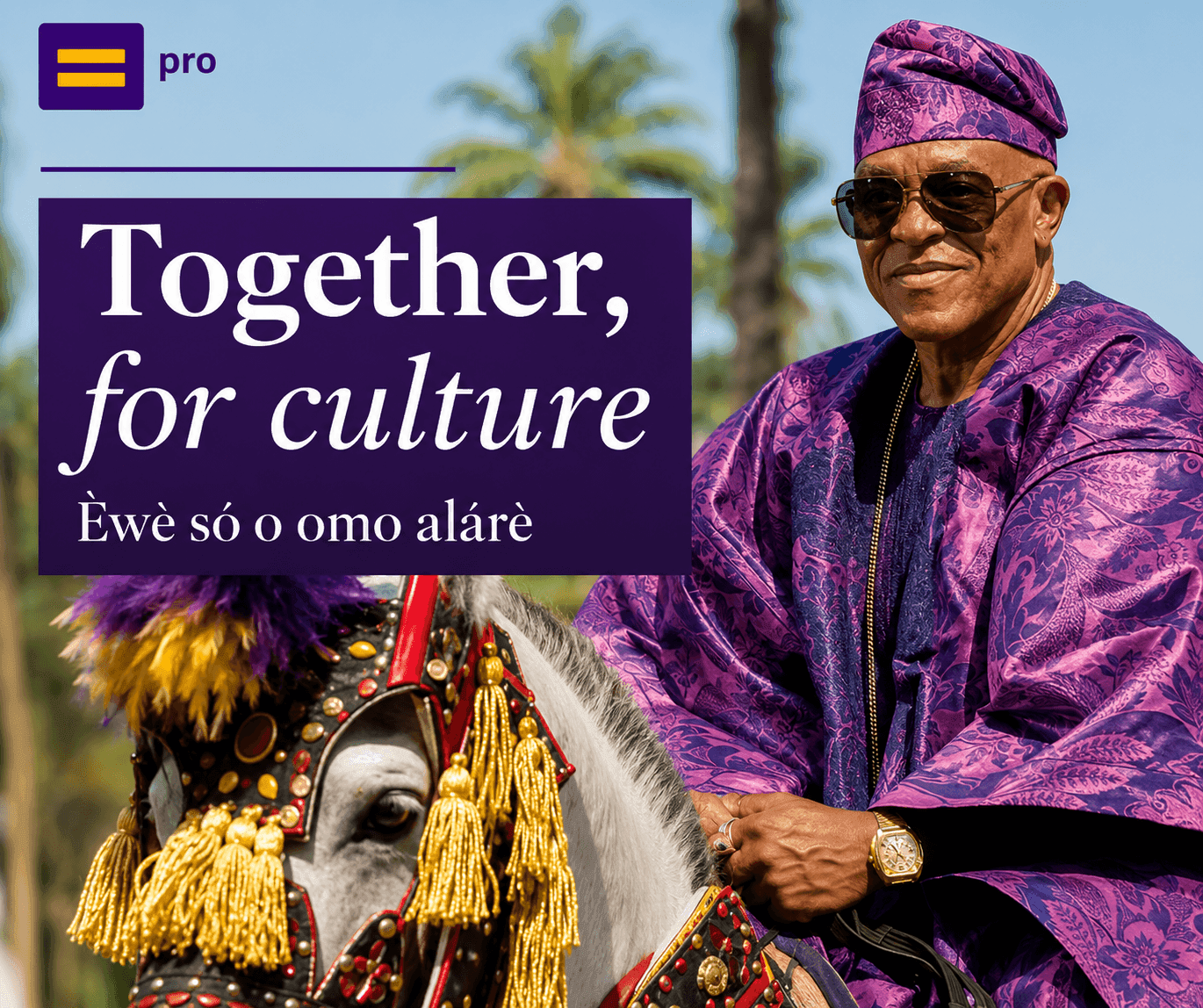
Held in Ijebu-Ode, Ogun State, the Ojude Oba festival is a celebration of continuity, enterprise, and community. For generations, it has connected people and created value across various sectors, including tourism, hospitality, fashion, media, and commerce. The festival's visual culture, characterized by horse processions, elaborate Yoruba fashion, and multigenerational displays of status and identity, has become a hallmark of African cultural heritage.
From Local to Global: The Rise of Ojude Oba
In recent years, the festival has experienced a surge in global interest, driven in part by the viral spread of photographs and videos online. Farooq Oreagba's iconic appearances, showcasing traditional attire, coral beads, and sunglasses, have become a symbol of the festival's unique cultural identity. Despite this recent digital attention, FCMB notes that the festival and Oreagba's association with it have a much longer history, with the festival always carrying cultural depth, sophistication, and economic significance.
Celebrating Legacy and Cultural Significance
This year's festival, themed "Celebrating the Legacy of Oba Sikiru Adetona," honors the late Awujale of Ijebuland, who played a pivotal role in making Ojude Oba one of Nigeria's leading cultural events. The festival has become an economic driver for Ogun State, generating activity across various sectors, including hospitality, transportation, fashion, photography, media, and tourism.
Conclusion: A Cultural Powerhouse
The Ojude Oba festival is a shining example of how cultural institutions can serve as platforms for economic visibility, community engagement, and global cultural influence. As the festival continues to gain international recognition, it is clear that its cultural significance extends far beyond its local roots, making it a truly vibrant and captivating celebration of African heritage.